
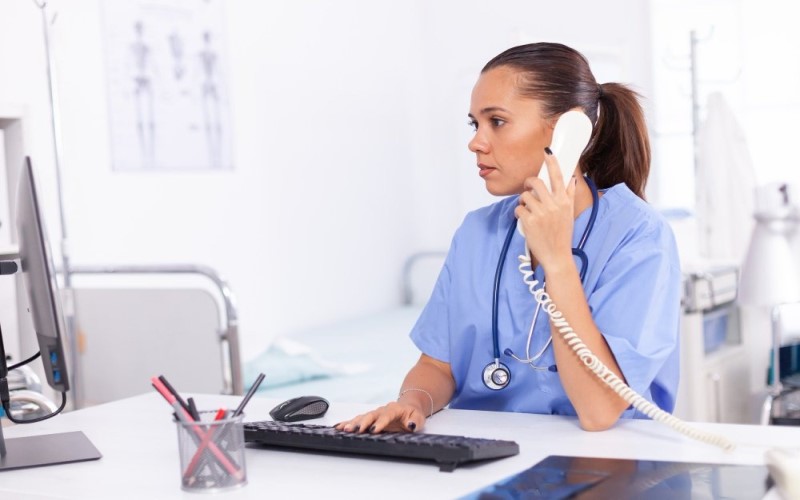
Introduction to Remote Medical Scribing
In today’s changing healthcare landscape, remote medical scribing has emerged as a tool for clinical documentation. What exactly does a remote medical scribe do, and why is their role becoming increasingly essential?
Remote medical scribes support healthcare professionals by documenting patient interactions in time from outside the clinic or hospital setting Best Medicare Supplement Plans 2025. By managing the tasks of note-taking and data input, they empower physicians to concentrate more on delivering care to patients.
The transition to work has had an impact on the healthcare sector. From consultations to cloud-based patient records, the shift towards remote operations extends to medical scribing, enhancing the efficiency and adaptability of healthcare services. This article will delve into the significance of scribes in facilitating health information exchange and reshaping healthcare documentation practices. Online GPs play a crucial role in this transformation by providing accessible healthcare remotely, which, combined with efficient scribing, ensures that patient records are accurately maintained and easily accessible, ultimately improving the overall quality of care.
The Importance of Remote Medical Scribes
The approach to record keeping, where doctors manually input data into electronic health systems (EHRs), has been recognized as time-consuming and susceptible to errors. With growing demands in patient care, physicians often find it challenging to manage duties while maintaining standards of care provision.
This is where remote medical scribes play a role.Relieving physicians of the task of taking notes by remote scribing enables them to spend quality time with their patients. Additionally, remote scribing eliminates the need for healthcare providers to invest in transcription software or hire staff for documentation purposes.
In addition to enhancing efficiency and cutting down expenses, remote medical scribes also play a role in ensuring the timely exchange of health information. In the era of value-based care, where payment is linked to quality outcomes, accurate documentation is more crucial than ever. Remote scribes ensure that all patient interactions are accurately documented, facilitating communication among healthcare providers and supporting decision-making.
Advantages of Remote Medical Scribing
Improved Documentation Efficiency
One advantage of medical scribing is its improved efficiency in clinical documentation. With scribes managing paperwork tasks, healthcare providers can attend to patients, minimize errors, and guarantee accurate and thorough note-taking.
Better Work-Life Balance for Medical Scribes
Working remotely provides scribes with a work-life balance. It eliminates commutes and allows scribes to work from the comfort of their homes. This flexibility can result in job satisfaction and decreased burnout among scribes.
Enhanced Patient. Communication
By managing the documentation process, remote medical scribes enable doctors to dedicate time to directly engaging with patients. This can enhance patient care quality, communication, and patient outcomes.
Guidelines and Recommended Practices for Remote Medical Scribes
Technology and Resources for Success
To be effective, a virtual medical scribe requires access to technology. This encompasses internet connections, secure laptops or desktops, and specialized health records (EHR) software. The choice of tools is critical for achieving success.
Adherence to HIPAA and Other Regulations
Compliance with regulations such as HIPAA is essential. Remote scribes must ensure the confidentiality and security of all information. Employing encrypted communication channels and secure storage solutions is crucial to uphold compliance.
The Significance of Training and Continuous Learning
Scribes need continuous training and education. Regular updates on terminology, documentation standards, and regulatory changes help scribes develop high-quality documentation practices and comply with industry standards.
Challenges and Resolutions in Remote Medical Scribing
Concerns Regarding Security and Confidentiality
Security and confidentiality pose challenges for medical scribes. Cybersecurity measures like encrypted communication channels and secure access protocols can help mitigate these risks while safeguarding patient data.
Overcoming Communication Challenges
Communication obstacles are common when working remotely. Tools like video calls, messaging platforms, and collaborative software can help bridge these gaps and ensure communication between scribes and healthcare professionals.
Strategies for Successful Remote Team Collaboration
Teamwork is vital in medical scribing. Holding team meetings, establishing communication channels, and utilizing collaborative tools can nurture a strong team bond even when team members are geographically dispersed.
The Role of Remote Medical Scribes in Sharing Health Information
Health information exchange (HIE) involves sharing health data among healthcare providers like hospitals, clinics, and pharmacies. Remote medical scribes facilitate this exchange by documenting patient interactions and ensuring information accessibility across the healthcare team, including medical data entry.
Through precise documentation, remote medical scribes support communication and collaboration across various healthcare settings. This enhances patient care quality while streamlining processes and reducing burdens for healthcare providers.
Future Trends and Opportunities in Remote Medical Scribing
The Influence of Telemedicine on Scribing
The growth of telemedicine has broadened the responsibilities of scribes. They now contribute to documenting virtual patient consultations, further embedding work in healthcare practices, and enhancing the efficiency of telehealth services.
Career Development and Progression for Remote Medical Scribes
The field of scribing presents various avenues for career advancement. As scribes gain experience, they can move into positions like lead scribe trainer or even transition to administrative roles, paving the way for career opportunities.
Technological Progress in Remote Scribing
The evolution of technology continues to shape the landscape of scribing. Breakthroughs such as voice recognition software and enhanced EHR systems are improving the efficiency and accuracy of scribing, offering prospects for the future.
In Summary
Remote medical scribing is transforming healthcare documentation practices. It brings advantages, including increased productivity, better work-life balance, and improved patient care. While security issues and communication barriers exist, viable solutions are on the horizon.
The outlook for scribing appears promising, with ongoing innovations and chances for career advancement. Healthcare professionals and administrators should delve into the possibilities offered by scribing to elevate their practice standards and enhance outcomes.
Ready to revolutionize your healthcare practice with scribes? Explore these opportunities today and take that step towards a more streamlined and patient-centric approach to medical documentation.
Optimize your practice’s online strategy with comprehensive medical website SEO from SEOEchelon.com. Discover the benefits today!
