

Home to various landmarks and unique sites, Saudi Arabia also houses the world’s largest desert. Named as ‘Rub’ al Khali’ (also referred to as Empty Quarter), it remains the largest, vast and remote desert of KSA; extending into Oman, Yemen, and United Arab Emirates (U.A.E.). Travelers arriving with Umrah Packages for the pilgrimage performance as well as tourists to the kingdom can go and explore the world’s largest desert here.
Geography.
As far as geographical area, Desert Rub Al Khali is one of the largest deserts in the world with the area of 650000 square Kilometres or 250000 square miles. It is a continuous sand desert to ever exist in the world. It is spreader from the south-eastern parts of Saudi Arabia to the Saudi borders of Oman, Yemen, and UAE.
The Empty Quarter is famous for its large sand dunes that can have a height up to 250 meters (or 820 feet). However, they are constantly changing because of the windy situations and that speaks for the ever changing landscape of sand dunes of Rub’ al Khali.
The weather conditions here are extremely dry. The summer time temperatures can reach as high as 55°C (or 131°F) while winter nights are nearly freezing. The annual rainfall here is also very minimal, estimated at 30 millimetres (or 1.2 inches).
History and civilization
Rub’ al Khali has been inhabited by the Bedouin people for thousands of years now. With their nomadic lifestyle, they have adapted to these harsh weather conditions of the desert for their living. Pilgrims with Qatar Airways flights of Umrah can explore the historical landmarks and deserts of Saudi Arabia along with the performance of Umrah. Not only they live in this desert with their hundreds of years old techniques and habits but also they are the ones well aware of these secrets of Rub’ al Khali.
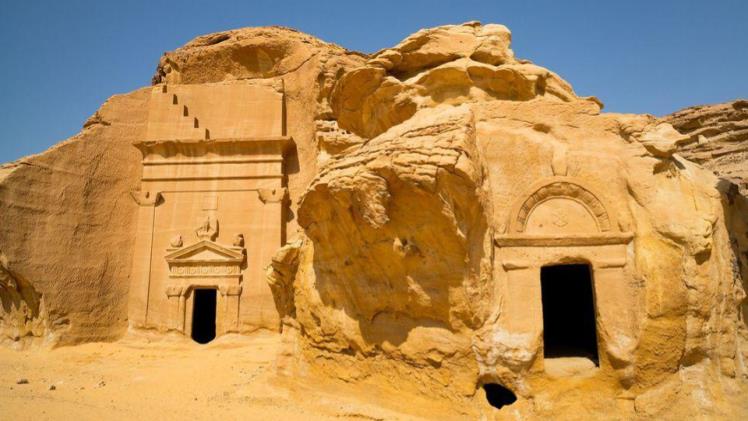
Home to many historical sites, the prominent archaeological site of The Rub’ al Khali is the ‘lost city of Ubar’. The description of which is also present in the holy Quran and referred to as “Atlantis of the Sands.” The city was destroyed by a natural disaster, as the archaeological remains discovered in 1990s indicate.
Features of The Rub’ al Khali.
Salt flats are widely present in The Rub’ al Khali. Also called as ‘Sabkhas’, these salt flats form when the water from rare rainfall events here evaporate and leaves behind a crusty layer of salt which is dangerous to cross or walk into because of the possibility of getting stuck.
There are many oases in Rub’ al Khali. The most prominent mention in this regard is the ‘Liwa Oasis’ which is present in UAE’s territory of Rub’ al Khali. These oases serve as the vitals source of water and vegetation for the human and animal life to exist in the desert.
Despite the minimal rainfall, harsh weather conditions and very less population; Rub’ al Khali supports life. For instance, you can see a number of ghaf tree and desert shrubs here. In terms of animal life, Arabian Oryx, sand gazelles, desert reptiles and insects can easily be seen here.
Tourism and Activities.
Desert safaris include dune bashing, 4×4 off-roading, sand boarding, quad biking and camel rides. You can even stay in Bedouin-style camps for the night and stargaze in the middle of desert’s clear skies.
Tourists in Rub’ al Khali with Umrah Visa can also have first-hand interactions with the Bedouin people to know of their culture, traditions and lifestyle choices they have made while living in this desert. Plus, you can get to be a part of their traditional dances, music performances, and enjoy local cuisine.
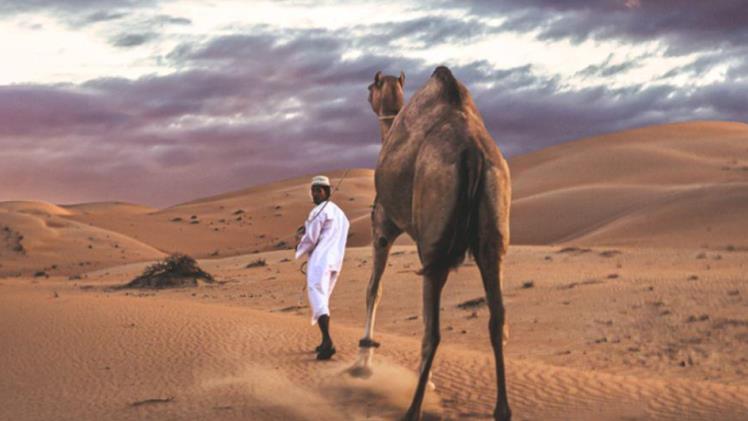
The best time to visit Rub’ al Khali is between October and March because of the comparatively pleasant weather conditions they bring. When you are travelling to the desert, make sure that you have a professional guide along and don’t forget to bring an ample supply of fuel, water, food and snacks for a comfortable and hassle free stay.
If you are planning to cross international borders to further visit the other parts of Rub’ al Khali or wishing to go the archaeological site visits, you may need special permits for that. Otherwise, entry is not possible.
