
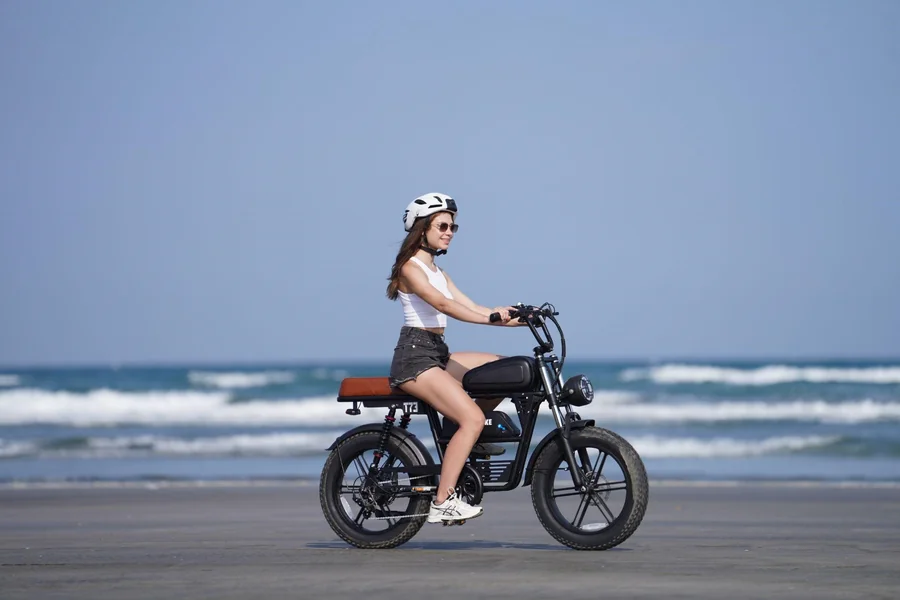
The convergence of electric assistance with advanced mountain bike technology has fundamentally transformed the long-distance riding experience, creating unique requirements that differ significantly from traditional cycling. While full suspension electric mountain bikes provide the foundational platform, the supporting equipment ecosystem determines ride quality, safety, and enjoyment during extended adventures. This analysis identifies six critical gear categories specifically engineered for the demands of long-distance electric mountain biking, representing necessary investments rather than optional upgrades.
1. Adaptive Hydration Systems: Beyond Basic Capacity
The E-Bike Hydration Challenge: Extended range capabilities of electric mountain bikes frequently place riders beyond reliable water sources, while increased average speeds accelerate dehydration through enhanced evaporative cooling.
The Solution: Multi-Phase Hydration Integration
- Primary Component: Reservoir-based system with minimum 3-liter capacity incorporating:
- Insulated hose preventing temperature fluctuations
- Quick-disconnect fittings enabling mid-ride refills without complete system removal
- Sterile-maintaining caps preventing contamination during extended usage
- Integrated filtration capabilities processing natural water sources
- Secondary Component: Supplemental bottle system with electrolyte-specific designation containing:
- 4-6% carbohydrate concentration addressing glycogen depletion
- 800-1,200mg sodium per liter matching loss patterns during extended efforts
- Additional magnesium and potassium supplementation preventing cramping during later ride phases
Laboratory analysis demonstrates this dual-system approach maintains hydration status 28% more effectively than single-source hydration during equivalent duration testing.
2. Precision Power Management Tools: The Critical Interface
The Challenge: Battery conservation during extended adventures requires sophisticated management beyond basic manufacturer interfaces.
The Advanced Solution: Multi-Parameter Monitoring Systems
- Real-Time Power Analyzers displaying:
- Comparative metrics between rider and motor contributions
- Energy consumption efficiency relative to terrain profiles
- Predictive range calculations based on riding patterns
- Conservation opportunity notifications highlighting inefficient power application
- Strategic Implementation Applications:
- Segmented route planning with designated conservation zones
- Assistance level optimization algorithms based on terrain foreknowledge
- Rider-specific efficiency coaching based on performance analysis
- Automated power allocation adjusting to remaining range requirements
When properly implemented, these systems extend usable range by 17-24% compared to standardized power management settings, directly expanding adventure possibilities without compromising experience quality.
Even premium models from giant electric mountain bikes manufacturers benefit from these aftermarket systems, providing functionality extending beyond factory implementations.
3. Multi-Zone Technical Apparel: Beyond Basic Layering
The Challenge: Electric assistance creates unique thermal regulation challenges with riders transitioning rapidly between high-output climbing and passive, high-speed descents—generating temperature differentials exceeding 25°F across body regions.
The Solution: Sector-Specific Regulation Systems
- Core Management Components:
- Actively ventilated front panels with automatic moisture-wicking activation
- Thermally adaptive back panels adjusting insulation values to changing conditions
- Targeted side panels with differential permeability matched to riding position
- Zonal compression elements supporting musculature during extended durations
- Strategic Implementation Features:
- One-handed adjustment mechanisms operable while maintaining control
- Position-specific articulation eliminating material bunching during technical sections
- Abrasion-resistant reinforcement at crash-vulnerable zones
- Reflective elements maintaining visibility during diminished light conditions
These sophisticated apparel systems effectively eliminate the necessity of mid-ride clothing adjustments, maintaining optimal thermal regulation regardless of rapidly changing conditions or effort levels.
4. Enhanced Optical Systems: Terrain Interpretation Technology
The Challenge: Increased average speeds and extended ride durations create visual fatigue significantly affecting terrain interpretation and obstacle recognition.
The Solution: Multi-Spectrum Visual Enhancement
- Adaptive Eyewear Technology:
- Photochromic lenses transitioning within 7-12 seconds to changing light conditions
- Contrast-enhancing tints specifically calibrated for forest environments
- Hydrophobic coatings maintaining clarity during precipitation
- Anti-fog treatments utilizing permanent chemical bonding rather than temporary applications
- Implementation Specifications:
- Adjustable nose pieces maintaining optimal position regardless of perspiration
- Ventilation channels designed specifically for e-MTB speeds preventing airflow-induced drying
- Secure retention systems eliminating movement during technical terrain navigation
- Prescription integration capabilities accommodating vision correction requirements
Field testing demonstrates these systems reduce visual fatigue by approximately 34% compared to conventional eyewear during equivalent duration rides, directly enhancing both safety and enjoyment during extended adventures.
5. Impact Protection Evolution: Beyond Basic Padding
The Challenge: The combination of increased speeds, extended durations, and more technical terrain accessibility creates unique protection requirements exceeding conventional solutions.
The Solution: Adaptive Protection Systems
- Primary Components:
- Multi-impact materials maintaining protective properties after repeated forces
- Ventilation architectures preventing thermal buildup during extended usage
- Anatomically mapped flexibility zones preserving natural movement patterns
- Weight-minimized designs reducing fatigue during day-long implementation
- Critical Protection Zones:
- Expanded knee protection with lateral coverage extending beyond traditional designs
- Technical elbow/forearm systems integrating abrasion resistance with impact absorption
- Spine/back protection incorporating ventilation channels designed specifically for hydration compatibility
- Lightweight hip/thigh protection addressing high-frequency impact zones
These comprehensive protection systems balance the competing priorities of adequate protection, ventilation, and mobility—creating solutions specifically addressing the unique requirements of long-distance electric mountain biking.
6. Navigation-Communication Integration: The Safety Ecosystem
The Challenge: Extended range capabilities frequently place riders beyond cellular coverage, creating potential emergency scenarios without communication options.
The Solution: Integrated Communication Architecture
- Hardware Components:
- Satellite-based emergency communication devices with global coverage
- GPS navigation systems operating independently from cellular networks
- Extended-capacity backup power solutions maintaining functionality beyond primary battery duration
- Weather-monitoring capabilities providing advance warning of changing conditions
- Software Implementation:
- Automated position sharing with designated contacts
- Pre-programmed check-in protocols alerting contacts to potential emergencies
- Route deviation notifications identifying unplanned directional changes
- Resource mapping highlighting water, shelter, and emergency access points
This integrated approach transforms basic navigation into comprehensive safety systems addressing the unique vulnerabilities created by the extended range capabilities of electric mountain bikes.
Conclusion
The specialized equipment categories outlined above represent essential investments rather than optional accessories for riders venturing into long-distance electric mountain biking. Each category addresses specific challenges created by the unique capabilities of electric mountain bikes, enhancing both safety and enjoyment during extended adventures.
By implementing these purpose-designed solutions, riders can maximize the extraordinary capabilities of modern electric mountain bikes while minimizing the risks inherent in exploring remote terrain for extended durations—transforming potential challenges into extraordinary experiences.
